
Before opening a keyword tool, pull together the questions guests actually send. “Do we need a car?” “How far is the coast path?” “Is the pool shared?” A page that answers these helps a searcher recognise the property faster. It gives you a more specific brief than another article about the best things to do in town.
Write a proper property record
Begin with the official property name, the market or region, room and guest capacity, and features a visitor can verify. Give the website its own description based on the actual stay. Separate a feature of the property from a feature of the area, such as private parking versus a public car park two streets away.
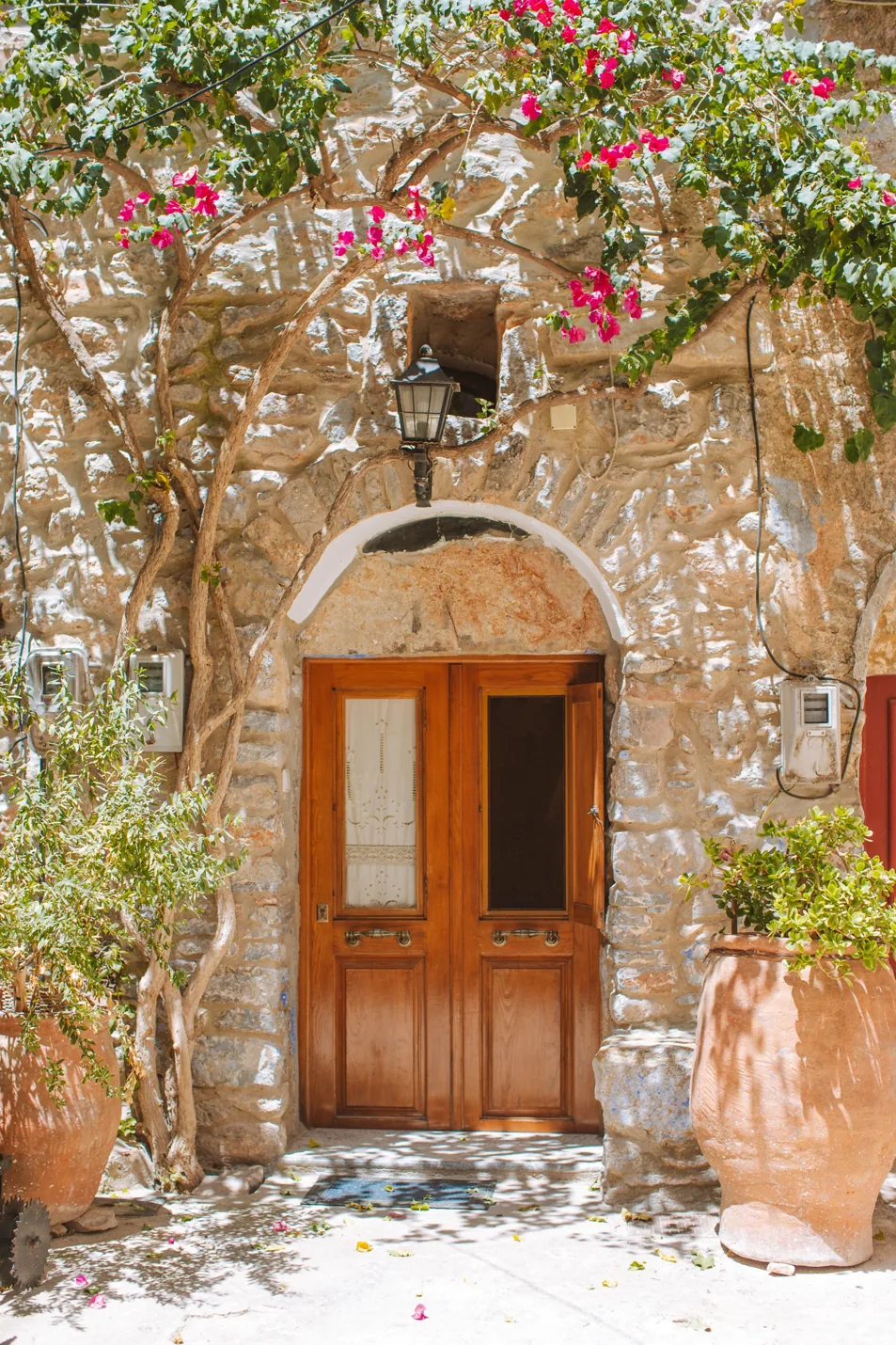
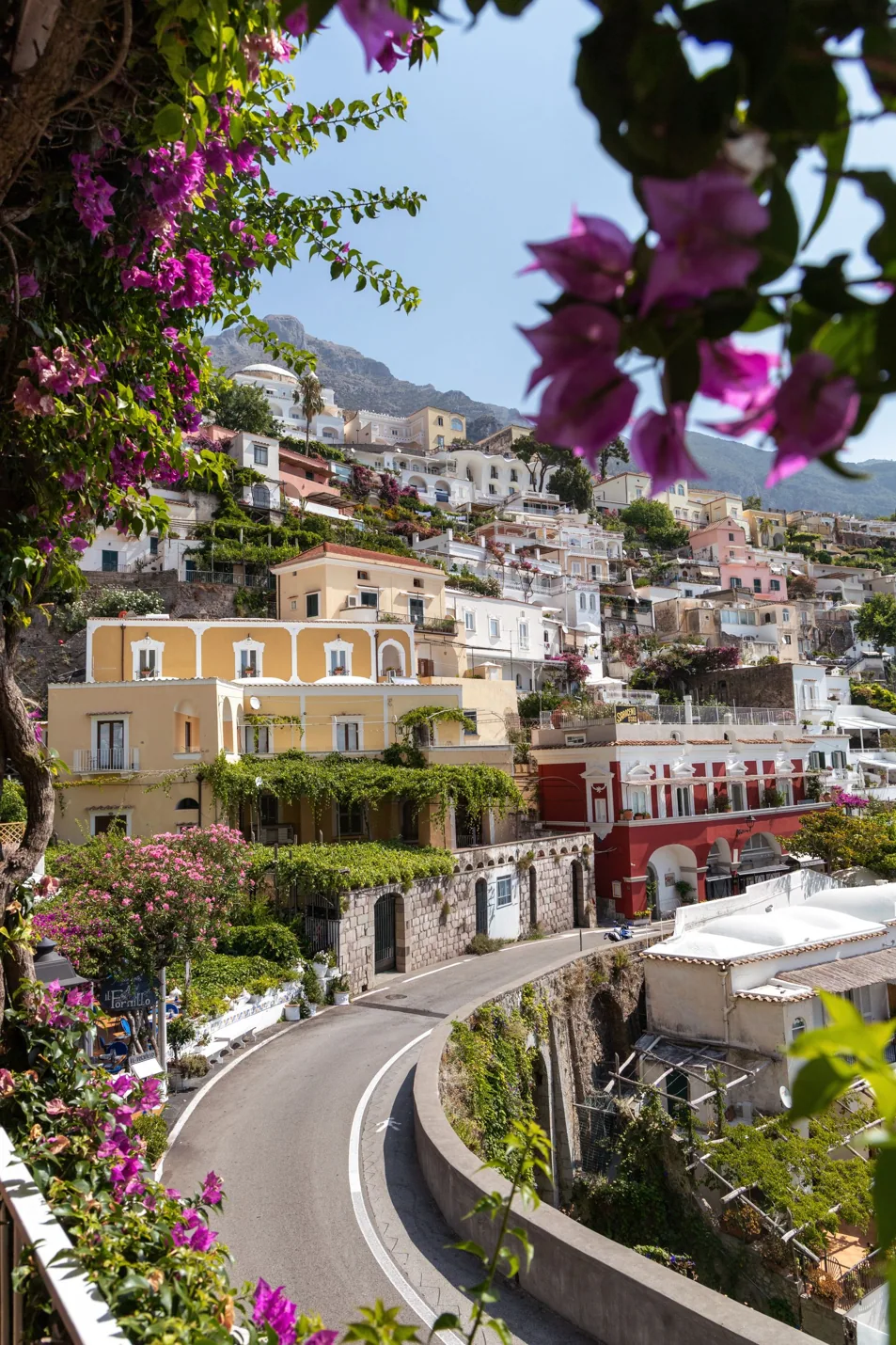
Summarise what makes the property a fit in the actual on-page text. Put the same facts behind the relevant photos. Useful alt text helps when an image carries information the visitor would miss otherwise. A decorative background can remain decorative.
Publish a handful of pages that can stand alone
A single detailed listing can support a separate practical area guide when there’s enough to say. A guest arriving without a car has different questions from a guest looking to bring an older dog. Write a route, an access consideration and a genuine distance when you can verify them. Add the date if opening hours are likely to change.
Connect the property and the guide using ordinary links. Give any indexable page a distinct title, summary and reason to exist. A duplicate calendar path or sorting view seldom needs its own landing page in search.
Check what Google can actually reach
Inspect your home and property pages in Search Console after launch. Review the sitemap and canonical URLs, then open the same pages on a real phone. If you use structured data, keep it consistent with what a visitor can read on the page.
Review one page at a time using impressions, the queries it shows up for and the clicks it earns. Google advises creating content that serves visitors first. Add a missing answer when you spot a search intent the current page genuinely fits.
Give every search page a reason to exist
For one cottage, start with the property page and one local guide you can write from experience. “Harbour View Cottage in Whitby” is a clear title for the listing. “Getting to Whitby without a car” could support it if you can explain the station-to-property route, luggage and the last stretch on foot. A unique summary sets expectations before the click. Add the date when you confirm a route or local service that may change.
A group of similar homes should avoid publishing a nearly identical guide for each property. Put shared information on a strong destination page and reserve the individual listing for things that belong to that home: the view from a particular room, step-free access, the location of its parking space or its exact bed configuration. Link to the right unit when the distinction matters.
Keep a simple search review after launch
At launch, confirm the chosen property URL works, can be requested for indexing in Search Console, and appears in the sitemap. After a few weeks, filter the Search Console performance report to that URL and compare the questions it attracts with the answers you have on the page. Separate brand-name searches from topics like “cottage near the harbour with parking” when the data supports the comparison.
Repeat after another month and record meaningful changes with dates. Search performance is noisy for a low-volume property. Look for several signs together, such as relevant impressions, clicks to the property and enquiries about its actual accommodation. Google’s vacation rental structured data has separate eligibility and Hotel Center requirements. Check those requirements before committing to a particular rich result.
Plan for Google and AI discovery
References
Topics in this guide
- vacation rental SEO
- holiday home location page
- property structured data
- descriptive rental title
- search indexing check
- internal property navigation
- Google Search Console rental
- local stay content
- destination guide editorial
- crawlable amenity text
- rental canonical URL
- property photo alt text